

Buying or Renting Property in Uganda: A Complete Guide to Houses, Apartments, and Real Estate

- Buy Properties in Uganda: Everything You Need to Know
- Why Uganda's Property Market Is Growing
- How to Buy Properties in Uganda
- Things to Know Before Buying a House in Uganda
- Best Places to Buy Property in Uganda
- Apartment for Rent in Uganda – What Tenants and Investors Should Know
- Should You Buy or Rent Property in Uganda?
- Can Foreigners Buy Property?
- Common Mistakes to Avoid
- Frequently Asked Questions(FAQs)
Buy Properties in Uganda: Everything You Need to Know
Uganda’s property market is moving fast right now. Demand is strongest in Greater Kampala’s commuter suburbs, like Kira, Najjera, and Kyanja, where prices are appreciating fastest as the city’s population spills outward.
The appeal is easy to see. Property remains an important store of wealth for many Ugandan households and investors. For locals, land and brick-and-mortar have always been the most trusted ways to protect savings against inflation. Foreign buyers and expats benefit from relatively low entry prices, steady rental demand driven by NGOs and diplomatic missions, and straightforward ownership options through leasehold and condominium titles.
Deciding whether to buy or rent property in Uganda largely depends on your budget, investment goals, and how long you plan to stay. If you are looking for a long-term investment, it pays to explore how to buy properties in Uganda that can help you build equity and benefit from potential capital appreciation. You may choose a house for sale in Uganda, an apartment, land, or commercial property depending on your needs. On the other hand, if you are relocating temporarily or want more flexibility, choosing an apartment for rent in Uganda can be a practical option while you explore different locations.
Why Uganda’s Property Market Is Growing
Uganda’s property boom isn’t happening in a vacuum. It is being driven by a young, rapidly expanding population, steady urbanisation, and major infrastructure projects that are changing where people choose to live and invest.
A Rapidly Expanding Population
Uganda’s population reached 45.9 million in the 2024 census, up from 34.6 million in 2014, and UNFPA now estimates the population at 51.4 million for 2025, reflecting an annual growth rate well above the global average.
With UBOS projecting 53.1 million people by 2028 and 56 million by 2030, this surge creates a massive, ongoing demand engine for both homes and rentals.
Rapid Urbanisation
The urban population for 2025 was 16,412,312, a 4.91% increase from 2024. Yet, at 31.28%, Uganda’s overall urbanization rate still lags far behind the global 57.7% average. That gap represents a massive upside. Hubs like Kampala (1.8 million residents) and Wakiso (3.7 million) continue to spill outward, while secondary cities like Mbarara, Jinja, Mbale, and Fort Portal are quietly carving out active housing markets for affordable and middle-income housing as rural residents shift into towns.
Transformative Infrastructure
Historically, new roads in Uganda have driven up nearby land values within a few years of completion. The Kampala-Entebbe Expressway transformed Lubowa, Lweza, Kajjansi, and Munyonyo into prime territory, while the Northern Bypass did the same for Naalya, Namugongo, and Kisaasi. Looking ahead, work on the Kampala-Jinja Expressway, Busega-Mpigi Expressway, and a $3 billion Standard Gauge Railway, alongside a $125 million phase-two expansion boosting Entebbe Airport’s capacity to 3.5 million passengers, is set to open up brand new growth corridors.
A Structural Housing Gap
Infrastructure and population growth have combined to outpace formal homebuilding, creating a persistent structural deficit across Greater Kampala. The shortfall keeps mid-market apartment sales and rental yields resilient, driving demand for property for sale in Uganda and apartments for rent in Uganda.
A Booming Tourism Sector

Following a record-setting year with over 1.6 million international arrivals (up 25%) and nearly $1.7 billion in earnings in 2025, tourism is spilling straight into real estate. Short-term rentals across Kampala and Entebbe are seeing heavy demand, alongside growing appetite for boutique hospitality projects.
Unmatched Long-term Upside
Between a young demographic, cities that are just getting started, and new transit corridors opening every few years, Uganda offers a structural growth story that mature markets simply can’t match. It’s no surprise diaspora buyers and international investors are increasingly parking capital here for the long haul.
Looking to buy properties in Uganda? Here’s what you need to know before signing any agreement.
How to Buy Properties in Uganda
If you plan to buy properties in Uganda, understanding the buying process can help you make a more informed investment decision. Whether you are searching for a house for sale in Uganda, an apartment, land, or commercial property, the process involves choosing the right property, verifying ownership, conducting due diligence, arranging financing where required, and completing the legal transfer.
Property Types You Can Buy in Uganda
- Land: The most flexible and budget-friendly entry point into real estate. However, it requires the most legal scrutiny due to varying tenure systems, boundary lines, and potential occupant rights.
- Houses: If you are looking for a house for sale in Uganda, options range from suburban bungalows in Nansana and Namugongo to high-end villas in Kololo and Muyenga. Houses can be suitable for families, owner-occupiers, and investors targeting long-term rental income.
- Apartments: Condominiums dominate new urban developments across Ntinda, Bukoto, Kisaasi, and Kyanja, and make up a large share of apartments for sale in Uganda.
- Commercial Properties: Retail spaces, office buildings, and warehouses are growing rapidly along major highways and expressways. These transactions usually demand a lawyer experienced in commercial lease structures right from day one.
Financing & Mortgages
Most mortgage financing flows through commercial banks, with Housing Finance Bank leading the market alongside active lenders like Stanbic, DFCU, KCB, Centenary, and ABSA.
- Interest Rates: Commercial banks price home loans off their prime lending rate, which ranged from roughly 19% to 23.5% across banks as at January 2026, with secured lending like mortgages typically priced at a margin above that.
- Loan Terms: Banks typically cover 70–80% of the property value for home purchases in Kampala and major urban centres, with repayment periods up to 20 years, while land and commercial properties carry shorter caps of 5 to 10 years.
- Requirements: Proof of income (payslips or 2 years of audited accounts for self-employed applicants), a valid land title, local council-approved structural plans, a bank-commissioned property valuation report, and signed spousal consent where applicable.
- Diaspora Buyers: Ugandans living abroad can apply for local mortgages, provided their application forms and powers of attorney are notarized in their country of residence. However, given high domestic interest rates, most diaspora buyers and non-citizen investors prefer cash purchases or offshore foreign-currency financing where available.
The Legal Process
A straightforward transaction takes roughly four to ten weeks from an accepted offer to a fully registered title. The journey follows a clear sequence: selection, tenure verification, title search at the Ministry of Lands, site inspection, agreement signing, government valuation , stamp duty payment, and official transfer registration.
Due Diligence
Before signing anything or making a payment, hire a real estate lawyer to conduct a full title search at the Ministry of Lands and a licensed surveyor to verify the property’s physical boundaries. This two-step check, legal and physical, is what protects you from the most costly buying mistakes in Uganda.
Closing Costs & Taxes
Plan to set aside an additional 2–5% of the property’s purchase price to cover closing costs:
- Stamp Duty: Calculated at 1% of the property’s government-assessed value or purchase value (whichever is higher).
- Legal & Registration Fees: Varies according to legal counsel retainers and standard Ministry of Lands title registration charges.
- Tax Clearance: Properties valued over UGX 50 million require a valid URA tax clearance certificate or TIN verification.
- Ongoing Ownership Taxes: If you generate rental income, it is subject to URA income tax under the Income Tax Act. For properties in the capital, KCCA annual property rates apply separately to non-owner-occupied premises.
Before committing to any transaction, prioritize securing a land search report early, confirm tenure rules before locking in a location, and calculate total closing fees beyond the purchase price.
For a full breakdown of what you’ll owe as a property owner, read Understanding Property Tax in Uganda.
Things to Know Before Buying a House in Uganda
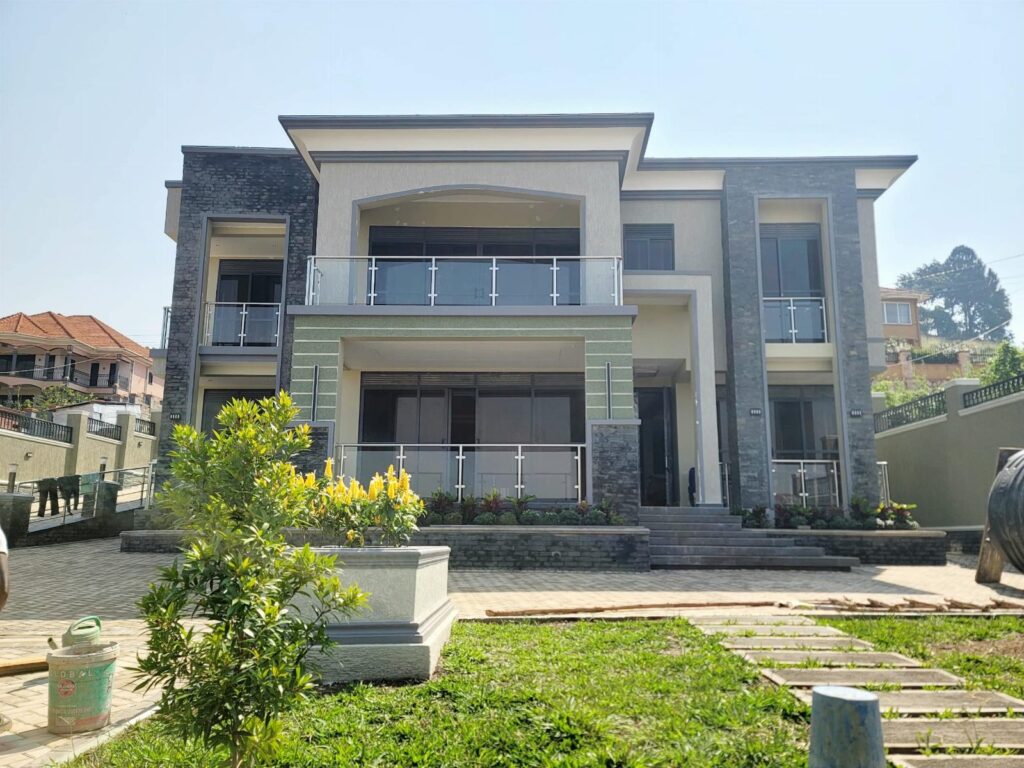
If you are searching for a house for sale in Uganda, understanding land tenure, title verification, property condition, location, and total buying costs is essential before making an offer. These factors can significantly affect the property’s legal status, value, financing options, and long-term investment potential.
Land Tenure
- Freehold: Absolute, permanent ownership, strictly reserved for Ugandan citizens.
- Leasehold: The primary tenure for foreign buyers. Leases run up to 99 years, are fully renewable, and remain transferable, inheritable, and bankable.
- Mailo Land: Common around Kampala and Wakiso. Frequently subject to protected customary occupants (bibanja holders), who cannot be legally evicted without statutory procedures and agreed compensation.
- Customary Land: Governed by traditional communal practices (predominant in northern and eastern Uganda). Non-citizens cannot hold direct customary titles, but may acquire access by converting customary land into a long-term Leasehold.
For a deeper breakdown of how these tenure systems work, read Everything You Need to Know About Land Tenure in Uganda.
Title Verification & Property Inspections
- Registry Checks: Always verify property titles directly with the Ministry of Lands (via Ministry Zonal Offices or the UgNLIS portal) to confirm ownership, encumbrances, and caveats. Never rely solely on copies provided by sellers or brokers.
- Physical Surveys: Hire an independent structural engineer or surveyor to assess the physical condition of the property (foundation, roofing, plumbing, and electrical wiring). Ensure the building has local authority-approved architectural plans and verified, active utility connections before making a deposit.
Key Neighborhoods & Pricing Expectations
| Market Tier | Prime Neighborhoods | Typical Price Range (UGX / USD) |
| Luxury / Diplomatic | Kololo, Nakasero, Naguru, Munyonyo | UGX 1.5B-6B+ ($405,000-$1.62M+) |
| Mid-Tier / Suburban | Kira, Najjera, Kyanja (4-bedroom family homes) | UGX 330M-900M ($90,000-$240,000) |
| Emerging / Entry-Level | Namugongo, Gayaza, Seeta, Outer Kira | UGX 80M – 180M ($22,000 – $49,000) |
Disclaimer: Pricing figures are compiled from third-party market sources, including published market reports and live property listings. Treat these ranges as indicative, not exact, and verify current pricing with an agent or recent valuation before making purchase decisions.
Best Places to Buy Property in Uganda
When deciding where to buy properties in Uganda, your choice of location should depend on your budget, investment strategy, rental demand, and long-term growth expectations.
Greater Kampala & commuter belts
- Kampala: The primary financial hub and most liquid property market. Spans luxury diplomatic zones (Kololo, Nakasero) to high-density, mid-market apartment stock yielding stable rental returns from young professionals and corporate tenants.
- Wakiso: Uganda’s largest and most active residential market, driven by massive owner-occupier demand across fast-growing municipalities like Kira, Nansana, and Makindye-Ssabagabo.
- Mukono: A key satellite town on the eastern industrial corridor. Growth is fueled by proximity to the Namanve Industrial Park, alongside long-term infrastructure plays like the Kampala–Jinja Expressway and SGR projects.
- Entebbe Corridor (Kajjansi to Entebbe): A high-value southern commuter belt anchored by the Entebbe Expressway, international airport infrastructure, and premium gated residential developments.
- Matugga / Bombo Road Axis: An emerging northern node offering budget-friendly land and housing options for entry-level buyers, backed by growing light industrial hubs.
Secondary and regional hubs
- Jinja: Industrial manufacturing, energy, and adventure tourism hub. Highly suited for commercial developers, light industrial facilities, and leisure/vacation properties.
- Mbarara: The economic hub of Western Uganda. A strong market for multi-family residential housing, student accommodations, and commercial space driven by expanding healthcare and educational institutions.
- Gulu: Northern Uganda’s primary urban and trade center. Uniquely positioned on the South Sudan trade corridor, making it an ideal long-horizon market for affordable land, logistics parks, and growing rental housing demand.
- Hoima: Uganda’s oil capital. Fueled by major infrastructure projects like the EACOP pipeline and Kabalega International Airport, it offers strong early-stage growth for corporate residential rentals, hospitality, and industrial warehousing.
Apartment for Rent in Uganda – What Tenants and Investors Should Know
If you are looking for an apartment for rent in Uganda, Kampala offers a wide range of options across luxury, mid-market, and suburban neighborhoods. Before signing a tenancy agreement, compare rental prices, location, amenities, lease terms, security, and additional costs such as utilities and service charges.
Average Rental Prices
- 1-Bedroom Apartment: Averages roughly UGX 850,000 per month (~$230).
- 2-Bedroom Apartment: Sits closer to UGX 1.8 million per month (~$490).
Note: Pricing ranges represent broad market benchmarks for comparative purposes only. Individual property values vary based on micro-location, construction quality, property condition, and included features.
Furnished vs. Unfurnished Units
- Furnished Units: Carry a 20% to 40% price premium over unfurnished equivalents. They dominate high-density, amenity-rich developments in prime hubs (Kololo, Naguru, Bugolobi) and airport corridors (Entebbe), targeting expats, NGO personnel, and short-stay visitors.
Investor Note: Delivers higher headline rents, but requires active management and budgeting for vacancy cycles and furniture depreciation. - Unfurnished Units: The standard benchmark for long-term domestic leases across Greater Kampala’s commuter belt. They provide tenants with lower baseline costs and offer investors stable, low-maintenance cash flow with lower tenant turnover.
Popular Residential Neighbourhoods
- High-End / Diplomatic (Kololo, Nakasero, Upper Naguru): Command top-tier USD rents, favored by embassies, multinational executives, and NGO country directors. Characterized by high capital entry costs, stable long-term appreciation, and premium security.
- Mid-Tier Access (Bugolobi, Muyenga, Bukoto): Combine central city access, lifestyle amenities, and scenic views. Popular among mid-level corporate staff, long-term expatriates, and urban families seeking a balance of lifestyle and convenience.
- Affordable & Suburban (Ntinda, Naalya, Kyanja, Kisaasi): The engine of Kampala’s multi-family rental market. They offer higher gross rental returns (~8–11%) driven by low vacancy rates from young professionals and middle-income families.
Rental agreements
Any tenancy where rent is UGX 500,000 or more must be in writing (or digital format) to be legally enforceable. A landlord must give at least 60 days’ notice before any rent increase, and cannot raise rent more than once every 12 months. Rent must be settled in Uganda Shillings (UGX) unless both parties explicitly agree to a foreign currency (e.g., USD) in writing.
Tenant rights
Self-help evictions (like changing locks or removing roof sheets) are illegal. If rent is in default for more than 30 days, a landlord may re-enter and repossess the property, but this must be conducted in the presence of local council (LC1) officials and the police.
Landlords must provide at least 24 hours’ notice before entering the property for inspections or repairs.
Should You Buy or Rent Property in Uganda?
The choice between buying and renting depends on your financial position, length of stay, and investment objectives. Buying can make sense for long-term residents and investors who want to build equity or generate rental income. Renting an apartment can be more suitable for people who need flexibility, are relocating for a short period, or want to understand a neighborhood before committing to a purchase.
If you are considering buying, compare the total cost of ownership—including the purchase price, legal fees, taxes, maintenance, and financing costs—with the cost of renting a comparable property. This comparison can help determine whether buying properties in Uganda is the right choice for your circumstances.
Can Foreigners Buy Property?
Foreign buyers can buy properties in Uganda, but their ownership options are subject to Uganda’s land tenure rules. Non-citizens generally acquire property through leasehold tenure, which can run for up to 99 years and may be renewable. Before buying, foreign investors should obtain independent legal advice and verify the property’s title and tenure.
How Foreigners Buy Real Estate
- Condominiums & Apartments: The most straightforward entry point for foreign residential buyers. Under the Condominium Property Act, buyers receive individual, registrable Condominium Titles for their units. Because non-citizens cannot hold Freehold or Mailo land outright, apartment purchases by foreign nationals are legally issued as long-term leasehold titles (typically 49 to 99 years) carved out from the developer’s underlying land title.
- Corporate Ownership: Foreign investors frequently hold real estate portfolios through a locally incorporated Ugandan company for tax management, expense deductions, and simplified asset transfer. However, under Section 40 of the Land Act, a Ugandan company controlled by non-citizens is legally classified as a non-citizen entity. Incorporating locally does not bypass constitutional tenure limits; the corporate entity remains restricted to leasehold titles.
Key Buying Considerations
- Financial & Legal Scrutiny: Foreigners face no ownership bans or special property surcharges. However, buyers should expect thorough title verification via the Ministry of Lands’ UgNLIS registry and must secure a Uganda Revenue Authority (URA) Tax Identification Number (TIN) to process stamp duty and land transfers.
- Mortgage Financing: Local commercial banks provide property loans to non-citizens, but enforce tighter underwriting; down payment requirements range between 30% and 40%, with shorter repayment tenures (10 to 15 years). Non-resident buyers should also evaluate exchange rate dynamics if borrowing in USD against UGX-denominated rental yields.
- Market Viability: Registered leasehold titles (up to 99 years) remain fully bankable as loan collateral, transferable via sale, and legally inheritable. Combined with lower entry prices per square meter than regional peers like Nairobi or Kigali, Greater Kampala remains a competitive yield-driven market for international capital.
Common Mistakes to Avoid
- Fake titles. Never rely on physical paper copies or PDF screenshots provided by agents. Official title verification must be conducted directly via the Uganda National Land Information System (UgNLIS) portal or at the relevant Ministry Zonal Office (MZO).
- No survey. Physical boundaries often do not match what is recorded on the official cadastral map. Failing to hire a registered land surveyor to perform a boundary opening risks buying overlapping plots, road reserves, or swamp/wetland buffers where building permits will be denied.
- Paying before verification. Never pay a deposit before due diligence is done, no matter how urgent the seller makes it seem.
- No lawyer. Real estate agents in Uganda are paid on commission by the seller and have no legal fiduciary duty to protect the buyer. An independent advocate of the High Court of Uganda is required to draft the agreement, run official searches, check tax clearance, and hold funds in escrow.
- Buying disputed land. Check for undisclosed occupants (especially on Mailo land), caveats, or family claims before committing. Under the Land Act, Lawful and Bona Fide Occupants (Bibanja holders) possess constitutionally protected security of tenure. Buying a clean Mailo title from the registered owner does not automatically give you the right to evict existing occupants or development rights without paying fair market compensation.
Frequently Asked Questions(FAQs)
- Can foreigners buy properties in Uganda? Yes, through leasehold tenure of up to 99 years. Freehold, Mailo and customary land are reserved for citizens.
- Can I get a mortgage in Uganda? Yes. Major lenders like Housing Finance Bank, Stanbic Bank, and DFCU offer property financing.
Local currency (UGX) mortgage rates generally range between 18% and 21% per annum, while USD mortgages range from 8% to 11%. Loan-to-Value (LTV) ratios for non-residents are typically capped at 60% to 70% of the property’s appraised value. - How long does buying a property take? A clean transaction typically takes four to ten weeks from accepted offer to registered title.
- Is it safe to buy property in Uganda? Yes, as long as you do proper due diligence and work with an advocate of the High Court of Uganda .
- Should I buy or rent property in Uganda? It depends on how long you plan to stay. Renting is ideal for short-term residency (under 3 years) or business flexibility. Buying suits long-term residents, corporate occupiers, and yield-focused investors seeking capital appreciation in high-growth corridors.
- Where can I find a house for sale in Uganda? Houses for sale are available across Kampala, Wakiso, Mukono, Entebbe, Jinja, Mbarara, and other growing urban areas. The best location depends on your budget, intended use, rental demand, and long-term investment objectives.
- Where can I find an apartment for rent in Uganda? Apartments for rent are widely available across Kampala and its surrounding suburbs, including areas such as Ntinda, Kisaasi, Kyanja, Bukoto, Bugolobi, and Naguru. Rental prices vary depending on location, size, furnishing, amenities, and property condition.
Ready to Make Your Move in Uganda’s Property Market?
Ready to buy properties in Uganda? Browse our verified property listings to find a house for sale in Uganda or explore apartments for rent in Uganda. If you need help choosing the right location or property, speak with our property experts for guidance throughout your search and transaction.
[Explore Properties] | [Talk to us]