

How to Verify a Land Title in Uganda: A Step-by-Step Guide to the Ministry of Lands Process
Land Title Verification in Uganda: Why It Matters and How to Do It
Land fraud remains prevalent in Uganda. Due to duplicate titles and unmapped boundaries, thorough due diligence is non-negotiable.
The Uganda Land Commission notes that state land covers roughly 23% of the country ; only about a quarter of it holds a formal title. When public land faces that level of uncertainty, private buyers juggling Mailo, leasehold, and freehold titles face substantial risk.
Even authentic titles can conceal hidden caveats, boundary discrepancies, or ongoing legal battles. Fortunately, verification is becoming easier as the Ministry of Lands, Housing and Urban Development rolls out the digital Uganda National Land Information System (UgNLIS).
What a Genuine Ugandan Land Title Contains
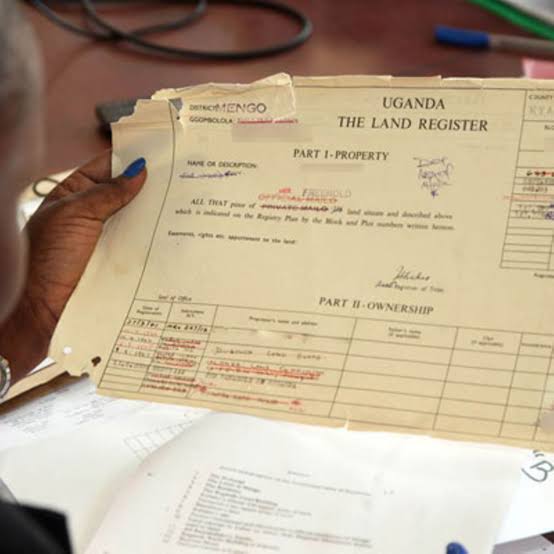
Before starting the formal verification process, it helps to know what a real title should contain. A genuine certificate features:
- The titles office’s official seal and the registrar’s official signature.
- A printed deed map with precise survey marks
- A clear reference number alongside the correct instrument number and a survey instruction.
The original certificate remains securely in the registry while the owner holds an identical duplicate. Both copies must match perfectly, aligning the owner’s name, registration date, exact acreage, and listed encumbrances, like mortgages or caveats. Documents issued before October 2020 feature an older layout but remain completely valid.
Because convincing forgeries replicate stamps and signatures, cross-checking the document against the official Ministry records is essential.
Source: Justice Centres Uganda
The Four-Step Land Title Verification Process in Uganda
The Four-Step Land Title Verification Process in Uganda
Step 1: Search UgNLIS (Online Land Registry)
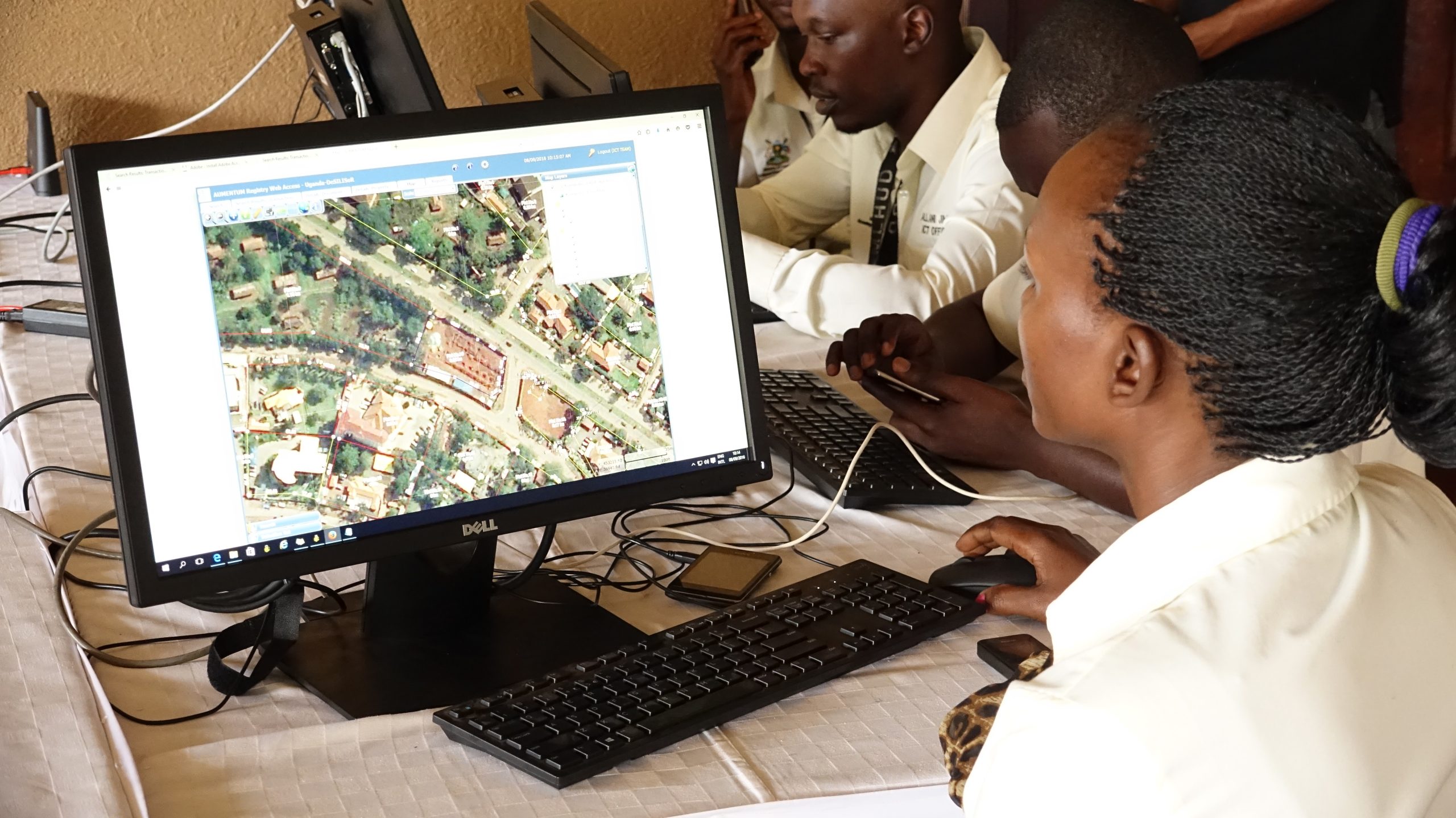
Land title verification in Uganda follows a structured, four-step process — starting with an online check through UgNLIS, and escalating to physical registry searches and surveys where needed.
The Ministry of Lands, Housing and Urban Development operates UgNLIS via its portal, which you can access at ugnlis.mlhud.go.ug or through their mobile app. Create an account to search for a title’s digital presence and logged transactions.
While UgNLIS offers a quick, globally accessible initial check, it only displays titles that have already been digitised. A blank search result does not indicate fraud; rather, it often means the record has not yet been migrated as the national rollout continues.
Treat an empty result not as a cause for panic, but as a prompt to proceed to the next step: an official physical search at the Ministry’s registry.
Source: Ministry of Lands, Housing and Urban Development – UgNLIS
Step 2: Request an Official Ministry Search
If a title is missing from UgNLIS, or you prefer traditional verification for a migrated title, the Department of Land Administration provides a physical search option. Managed by the Office of Titles, this process yields an official search letter confirming current registry records.
To begin, submit a written application containing the land’s specific reference details: county, block, and plot number for Mailo tenure, or volume and folio number for leasehold and freehold titles. A Registrar of Titles will review and stamp your request before routing it off file retrieval. Pay the UGX 10,000 search fee at the bank, then submit the bank receipt alongside your application.
Within two days, you will receive a search letter detailing the registered owner, any active encumbrances, and the exact status of the title in the Ministry’s physical archives, regardless of its digital status on UgNLIS.
Source: Ministry of Lands, Housing and Urban Development – Ministry Procedures for Land
Step 3: Inspect the Registry Folio and Ownership Chain
While a search letter reveals current registry status, it does not always capture the historical chain of ownership. To see the complete picture, visit the local district land office to request the registry folio, the master file containing the parcel’s full ownership history.
This crucial step brings to light details that a summary can easily miss, including previous transfers, old disputes, or registry notes left out of the digital system. It is especially vital for older properties or frequently resold properties, where minor discrepancies surface only in the original paper trail.
This is where collaborating with a lawyer or land agent proves invaluable, as accurately interpreting a registry folio requires deep familiarity with the structure of Ugandan land records.
Source: Global Law Experts – Uganda Digitising Every Land Title Nationally
Step 4: Commission a Fresh Survey
While paper records can confirm legal ownership, they cannot reveal current ground realities. A fresh survey ensures deed plan boundaries match the physical parcel, a vital precaution, as many Ugandan land disputes stem from mismatched boundaries rather than fraudulent titles.
Hire a registered surveyor through the Surveyors Registration Board to verify the title’s coordinates on site. Given common issues like neighbouring encroachments and boundary drift from years of informal use, this step remains essential even when the paperwork appears flawless.
A physical survey also protects against a subtle yet critical risk: purchasing an authentic title attached to the incorrect parcel of land. This is particularly common in areas where larger plots have been subdivided without complete mapping.
Source: Global Law Experts – Uganda Digitising Every Land Title Nationally
Identifying Red Flags
Watch for key warning signs throughout the process. A seller unable to produce the original duplicate certificate, relying instead on photocopies or claims of a “lost title”, represents a major red flag. Additionally, look out for discrepancies between the seller’s paperwork and official Ministry records, such as conflicting instrument numbers or registration dates.
Remain vigilant for missing or inconsistent seals, owner names that fail to match their government identification, or sellers who pressure you to bypass critical steps. Additionally, watch for unannounced encumbrances, such as mortgages or caveats discovered only upon reviewing the registry file, that can trigger severe post-purchase complications.
Although individual red flags do not definitively prove fraud, any single warning sign is a clear signal to pause the transaction and complete every necessary check before releasing funds.
Practical Takeaways
Land title verification in Uganda requires time, budget at least two to three weeks for proper due diligence, and allow extra time if registry investigations uncover complications.
Thorough verification requires time; budget at least two to three weeks for proper due diligence, and allow extra time if registry investigations uncover complications. Rushing this timeline almost always leads to costly mistakes.
Involve a lawyer or a licensed surveyor from the outset, rather than treating them as a last-minute formality before closing. Their true value lies in identifying critical red flags during the search and survey phases.
Finally, account for the ongoing UgNLIS digital rollout. If a title is missing from the online portal, it is not cause for alarm; however, it means physical searches and registry reviews must take precedence. Anticipate these additional steps from the outset rather than depending solely on digital searches.