

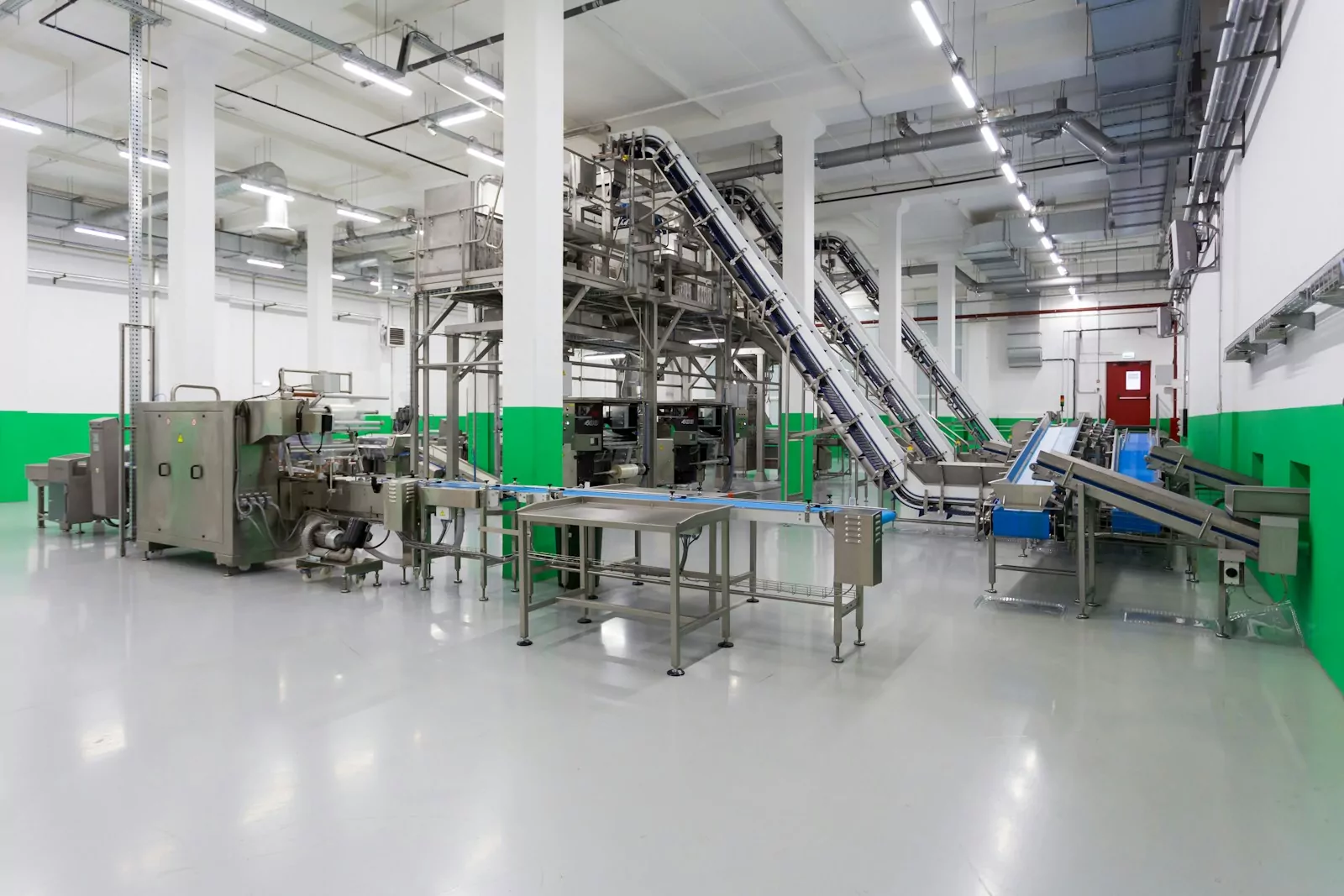
Finding the Ideal Industrial Space in East Africa
Locating a suitable logistics or industrial property that caters to your long-term operational needs can be a substantial task. This guide aims to outline critical factors to consider and illustrate how a systematic approach can simplify your search for the ideal industrial or logistics space.
Essential Considerations
Before initiating your search for logistics and industrial properties, it is crucial to establish your primary requirements. This encompasses decisions on whether to rent or buy, the size and type of facility needed, and specific operational features such as loading docks, warehouse space, and ceiling heights.
When searching for your next industrial or logistics property, it is essential to balance your specific operational requirements with compliance to industry regulations and zoning laws. These are crucial for ensuring the suitability and legality of the property for your intended use.
Additionally, the location and infrastructure surrounding the property are paramount. Factors to consider include ease of access to major transportation routes, proximity to supply chains and distribution networks, availability of utilities suited for industrial use, and potential for future expansion. These considerations are key in optimizing logistics efficiency and operational success.
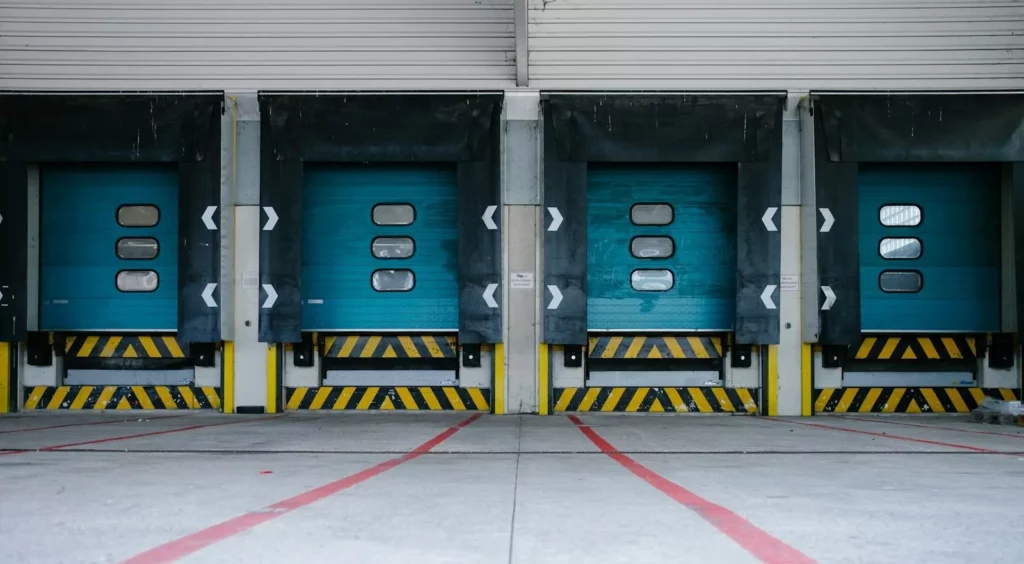
Strategic Guide to Logistics and Industrial Properties in East Africa
Insights for Business Owners and Expansion Managers and Investors
The selection of logistics and industrial properties in East Africa requires a nuanced approach, given the region’s unique economic landscape, infrastructural challenges, and growth potential. This guide is designed for business owners, expansion managers, and investors, both local and international, seeking to navigate the complexities of the industrial and logistics sector in this vibrant region. From understanding the local market dynamics to evaluating property specifics, this guide aims to offer valuable insights for making informed and strategic decisions in this burgeoning sector.
Different Types of Logistics and Industrial Real Estate
Logistics and industrial properties come in a broad range of types and can be categorized based on their intended use, design, and location. Here’s a brief overview of the different types:
Warehouses: These facilities are used for storing goods before they are distributed to retailers or consumers. They vary in size and design, often equipped with loading docks and high ceilings to accommodate different storage and handling equipment.
Distribution Centers: More sophisticated than traditional warehouses, distribution centers are designed for efficient product sorting, packaging, and shipping. They often feature advanced inventory management systems to streamline the distribution process.
Manufacturing Plants: These are facilities where raw materials are transformed into finished products. Manufacturing plants are often customized to the specific needs of the production process, requiring significant investment in specialized equipment and technology.
Cold Storage Facilities: Essential for the storage of perishable goods, cold storage facilities have controlled temperature environments. They play a crucial role in the supply chains of food products, pharmaceuticals, and other temperature-sensitive goods.
Flex Spaces: Flex spaces are versatile properties that combine warehousing, distribution, and office space to accommodate various activities, including light manufacturing, R&D, and administrative functions.
Data Centers: While not traditional industrial properties, data centers are critical logistics facilities in the digital economy, housing the computer systems, and networking equipment essential for data storage, processing, and distribution.
Each type of industrial and logistics property serves a distinct role in the supply chain, and the choice among them depends on the specific operational needs, the nature of the goods being handled, and the strategic goals of the business.
Phase 1: Understanding the Regional Market Dynamics
Economic and Industrial Overview
The region is characterized by a youthful demographic and rapidly growing urban centers, driving the demand for industrial goods and logistics services. Challenges such as infrastructural deficits and fluctuating regulatory environments exist, but so do opportunities in emerging industrial hubs, buoyed by increasing intra-regional trade and investment in infrastructure.
Identifying Strategic Locations
Proximity to key transport corridors, ports, and urban centers can significantly reduce logistical costs and enhance operational efficiency. Consider areas with access to major markets, raw materials, and benefit from regional trade agreements. Understanding the nuances of local economic policies and infrastructural developments is crucial in identifying locations with the highest potential for growth and sustainability.
Market Trends and Future Outlook
Present an overview of current market trends within the region’s logistics and industrial sectors. Discuss emerging opportunities, such as the rise in e-commerce and its impact on warehousing and distribution networks. Consider the future outlook, including potential infrastructural developments and economic policies that could affect the sector.
Phase 2: Financial and Regulatory Considerations
Investment Analysis and Budgeting
Budgeting should account for initial acquisition costs, potential construction or renovation needs, and ongoing operational expenses. Understanding the market’s rent rates is vital for estimating the expected returns. Additionally, investors should consider potential fiscal incentives offered, for example for specific sectors or to foreign investors, balancing them against the risks and long-term growth prospects.
Navigating Legal and Regulatory Frameworks
The legal and regulatory landscapes in East Africa can be complex, with variations across countries. Familiarity with local land acquisition and ownership laws, zoning regulations, and environmental compliance requirements is essential. Consider engaging with local legal experts to navigate these frameworks successfully and ensure that both the facility and the business’s operations comply with applicable regulations. This due diligence is crucial in avoiding potential legal hurdles and ensuring that investments are protected under local laws.

Phase 3: Evaluating Potential Retail Spaces
Assessing Property Viability
The viability of logistics and industrial properties is determined by specific features such as adequate warehouse space, loading docks, ceiling height, and floor load capacity. The quality of infrastructure, including reliable power supply, access to transportations, and telecommunications connectivity, plays a crucial role in operational success. Evaluating these aspects thoroughly ensures that the property can meet the demands of modern and effective operations.
Logistics Infrastructure and Supply Chain Considerations
Efficient logistics infrastructure is the backbone of successful industrial operations. Proximity to transportation networks, shipping ports, or rail terminals can significantly impact operational efficiency. Analyze local supply chains and the availability of logistics service providers to help you identify potential bottlenecks and ensure smooth operations. Strategic location selection can mitigate risks and enhance the agility of the supply chain.
Security and Risk Management
In East Africa, security is a critical concern that necessitate a robust risk management strategy. Assess the local security situation and necessary physical and digital security measures to protect assets, personnel, and operations. Additionally, understanding potential political and economic risks can help in developing contingency plans, ensuring business continuity in volatile environments.
Phase 4: Operational Efficiency and Sustainability
Designing for Operational Efficiency
Consider how the production lines, storage, and distribution processes integrate in the property’s layout. A seamless integration could reduce costs and improve productivity. Incorporating technological solutions such as automation and digital tracking can further enhance operational efficiency and responsiveness to market demands.
Embracing Sustainability and Local Community Engagement
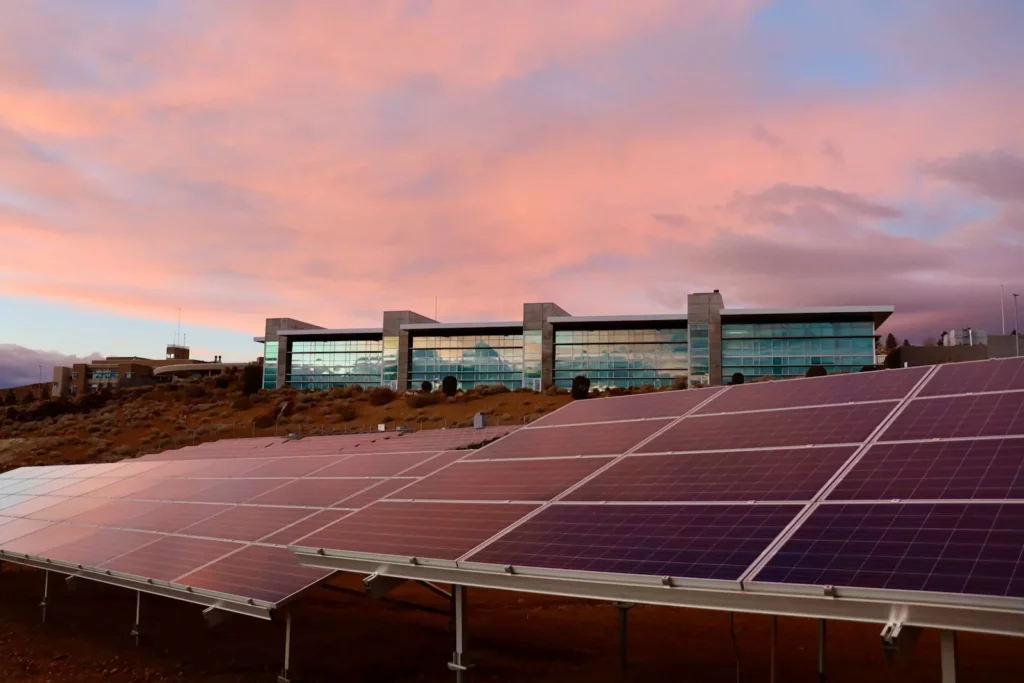
Sustainability is increasingly becoming a critical consideration in industrial operations. Eco-friendly construction materials, energy-efficient designs, and waste reduction practices can contribute to environmental sustainability and improve the operation’s public image. Try engaging with local communities and contributing to their development to fosters goodwill and a more stable and supportive operating environment.
Phase 5: Leveraging Market Insights and Professional Help
Staying Informed on Market Trends
In the fast-evolving landscape of East Africa’s logistics and industrial sector, staying updated with market trends is crucial. Discuss the latest developments in industrial growth, logistics innovations, and economic policies impacting the sector. Highlight trends such as the growth of regional trade hubs, advancements in logistics technology, and shifts in supply chain management. Understanding these trends helps in making informed decisions and identifying potential opportunities or risks.
Resources and Tools
Leverage technology and online resources to aid your search for the perfect property. Real estate platforms like Twentyfirst Real Estate provide comprehensive market data and offer detailed listings, virtual tours and insights into pricing and amenities across different locations. Other tools, such as logistics planning software and supply chain management systems, can offer valuable insights into operational efficiency and cost-effectiveness.
Choosing a Real Estate Agent
An experienced real estate agent, specialized in commercial properties, can be invaluable. They provide insights, negotiate better terms, and navigate leasing or buying complexities, offering access to a wider range of properties.
With our extensive database you can easily find an agent specialized in commercial properties.